



Lahore’s load-shedding pattern is not the same for every feeder or every month. That is why the question “Do I need solar batteries?” has no universal yes/no. Batteries solve outages; panels solve energy cost. Hybrid systems can do both—but you pay for both.
What batteries actually do
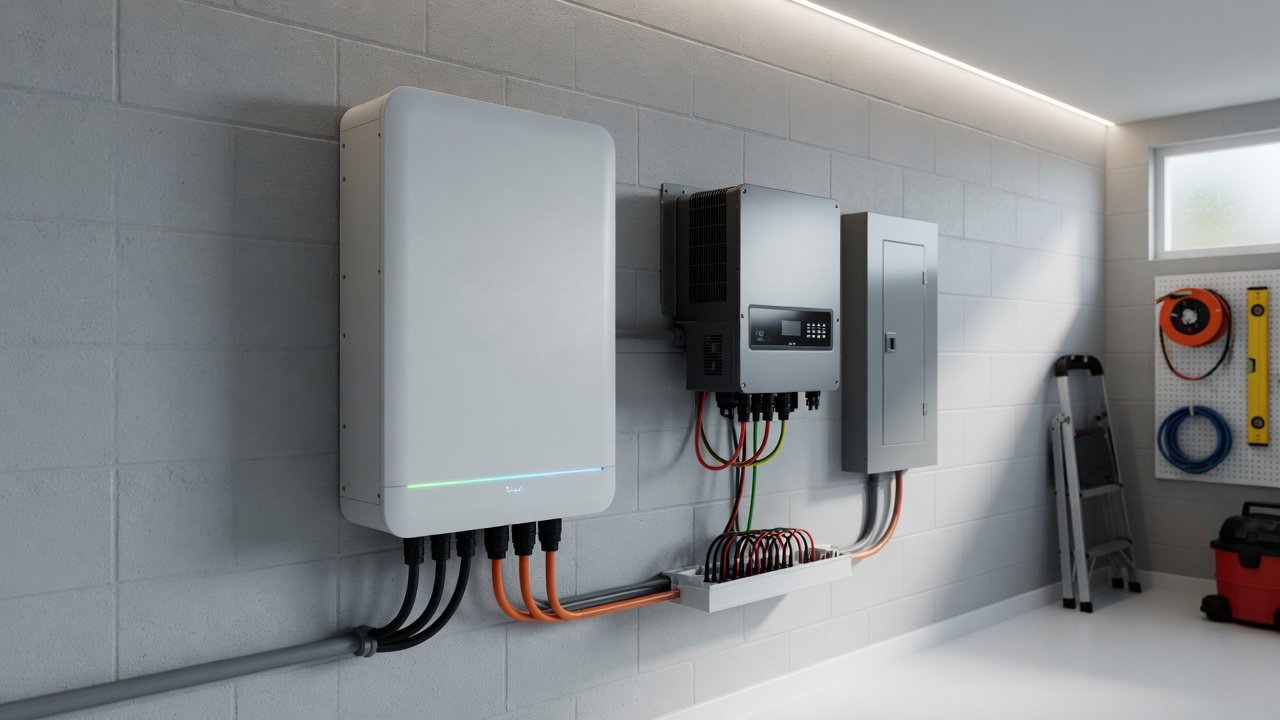
In a hybrid solar setup, batteries store energy for use when the grid is down or when solar production is low. During an outage, a correctly designed hybrid inverter can power selected circuits—lights, fans, internet, fridge, maybe one AC—depending on battery size and inverter limits.
Batteries do not magically run an entire large house for hours on a small pack. Backup time is physics: battery usable kWh ÷ load kW.
When batteries are worth it in Lahore
- You face frequent or long outages that disrupt work-from-home, online study, or clinic/shop operations.
- You need clean backup for sensitive electronics (better than unstable generators in some cases).
- Generator fuel and maintenance already cost you significant monthly money.
- You can prioritise essential loads on a backup DB instead of the whole house.
When on-grid solar alone is smarter
- Your area has mild outages and your main pain is the electricity bill.
- Budget is tight—panels + hybrid inverter + batteries can substantially raise project cost.
- You can shift flexible loads (laundry, pumping, ironing) to sunny hours.
- Net metering credits already make the financial case strong without storage.
How to size backup without overspending
- List essential circuits: lights, fans, router, fridge, laptops. Optional: one inverter AC.
- Estimate watts for each and how many hours of backup you need (e.g., 2–4 hours).
- Convert to kWh and add buffer for battery depth-of-discharge and inefficiency.
- Match inverter continuous and surge ratings to pump/AC startup currents.
- Plan a backup distribution board so non-essentials do not drain storage.
Battery types you will hear about
Lithium iron phosphate (LFP) batteries are widely preferred for home hybrid systems due to cycle life and safety profile compared with older lead-acid banks. Brand support and local service matter as much as datasheet peak specs. Ask about warranty cycles, operating temperature, and replacement availability in Pakistan.
Safety and installation notes
- Batteries need ventilated, dry, accessible space—not a sealed attic heat trap.
- Earthing, DC isolation, and correct cable sizing are non-negotiable.
- Hybrid settings must be commissioned carefully for grid-tie compliance.
- Monitoring helps catch weak cells or abnormal drain early.
A balanced Lahore recommendation pattern
Many households do best with bill-focused solar first, then battery capacity for essentials if outages remain painful. Others with clinics, home offices, or shops may justify hybrid from day one. A good designer will show both options with cost and backup-hour trade-offs.
If you request a hybrid design from a Lahore EPC such as EXPO Solar Pakistan, ask for a written essential-load list and estimated backup duration—not only a battery brand name.
FAQ
Will batteries work when there is no sun and no grid?
Only until stored energy runs out. Continuous multi-day islanding needs much larger storage or generator support.
Can I add batteries later?
Often yes if you start with a hybrid-ready inverter and space for battery cabinets. Confirm compatibility before buying an on-grid-only inverter.

Net Metering To Net Billing Pakistan 2026: What Homeowners & Businesses Must Know
August 14, 2026 8:48 pm[…] Learn more about sizing and cost tradeoffs in our detailed guide on solar battery storage options during load shedding. […]