



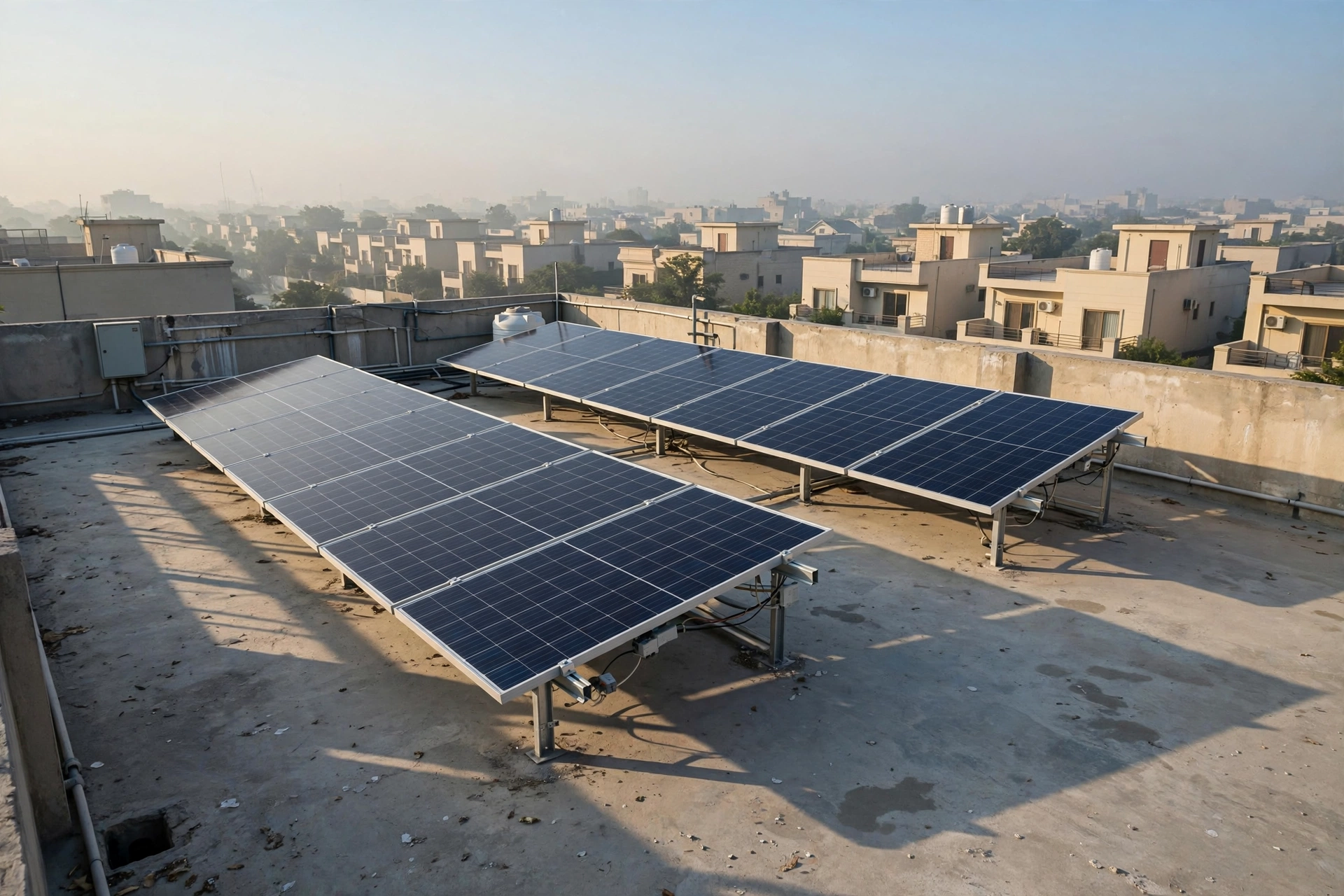
If you have been waiting for the right time to go solar, this might be it. The solar panel price in Pakistan has fallen to levels nobody expected: Tier-1 N-type bifacial panels are selling at Rs 42 to 49 per watt this October. A year ago, the same panels cost Rs 55 to 65 per watt.
That is a drop of roughly 25 to 30 percent in twelve months. A 585-watt panel that cost around Rs 34,000 last year now sells for roughly Rs 25,000. On a typical 5kW home system with nine or ten panels, that difference alone saves you close to Rs 90,000.
So the question every homeowner in Lahore, Karachi, and Islamabad is asking right now: is this the bottom, or will prices fall further? Let us look at the actual numbers first.
Solar Panel Price in Pakistan — October 2026 (Brand-Wise)
These are typical market rates gathered this month. Treat them as reference — always confirm with your dealer before paying, because rates move weekly.
| Brand / Panel | Price per watt | Approx. price per panel |
|---|---|---|
| LONGi Hi-MO, 580W | Rs 41.50 | ~Rs 24,070 |
| Jinko N-type, 600W | Rs 40.75 | ~Rs 24,450 |
| Canadian Solar TopCon, 595W | Rs 40.70 | ~Rs 24,217 |
| JA Solar N-type, 610W | Rs 42.00 | ~Rs 25,620 |
| Trina Solar N-type, 600W | Rs 38.25 | ~Rs 22,950 |
| Crown Solar, 580W | Rs 42 | ~Rs 24,360 |
| Inverex, 575W | Rs 41 | ~Rs 23,575 |
Two things stand out. First, the gap between premium Tier-1 brands and budget options has shrunk to almost nothing — around Rs 3 to 5 per watt. Second, N-type bifacial is now the default. The older P-type and single-glass panels are fading out of the market, and dealers are clearing old stock cheap. If someone offers you a suspiciously cheap panel, check whether it is last-generation technology.
Why Did Prices Fall This Far?
This did not happen by accident. Three forces pushed prices down at the same time.
- Global oversupply. Chinese manufacturers built enormous factory capacity over the last three years. When supply outruns demand this badly, prices collapse. Pakistan buys almost all its panels from China, so we felt the full effect.
- No new taxes — twice. The government proposed an 18% GST on imported panels in the 2025–26 budget, then cut it to 10% after industry pressure, then dropped it entirely in the final Finance Bill. In the 2026–27 budget, the government again decided against new taxes on solar panels. Every time a tax was proposed and then withdrawn, dealers who had stocked up nervously released inventory, pushing prices down further.
- Brutal local competition. Pakistan’s solar market exploded — net-metered capacity jumped from 1.3 GW in FY2023 to 4.9 GW by March 2025, and solar now supplies over 14% of the country’s power mix, up from just 4% in 2021. Hundreds of new dealers entered the market. When everyone is fighting for the same customer on Hall Road or in Lahore’s solar markets, margins get thin fast.
What Actually Decides the Price You Pay
The per-watt rate is only the starting point. Four things move your final price:
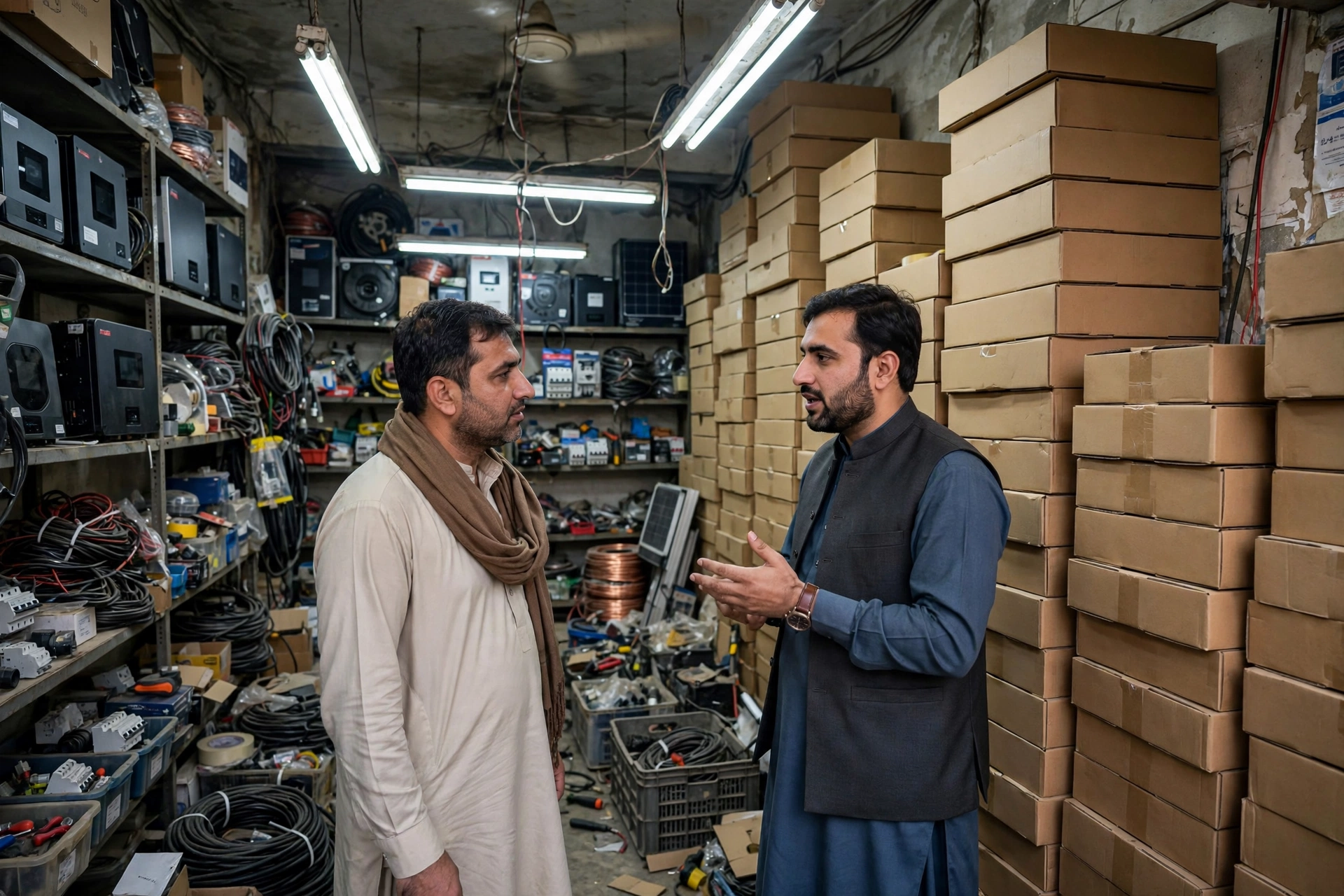
Documented vs. undocumented panels. In the Pakistani market, “documented” means the panel came through proper import channels with verifiable paperwork and a real manufacturer warranty. Undocumented or grey panels can be Rs 3–5 per watt cheaper. They are also the ones that develop hotspots in two years with nobody to claim warranty from. For a purchase you will live with for 25 years, this is not where you save money.
A-grade vs. B-grade cells. A-grade panels use flawless cells; B-grade panels have minor cosmetic or electrical defects. Some dealers sell B-grade at A-grade prices. Ask for the flash test report — every genuine Tier-1 panel ships with one.
Wattage class. Larger panels (600W+) cost slightly more per panel but less per watt, and you need fewer of them. Fewer panels means less mounting structure, less wiring, and less rooftop space. For most homes, 580–610W N-type bifacial is the sweet spot right now.
Your city. Prices in Lahore, Karachi, and Islamabad run close to the rates above. Smaller cities can be Rs 1–2 per watt higher because of transport and fewer competing dealers.
Buy Now or Wait for Prices to Drop Further?
Honest answer: nobody can promise you the absolute bottom. But here is how a working solar engineer reads the situation.
Reasons to buy now:
- Prices are already at historic lows. The Rs 55–65/W era is not coming back unless something breaks in the supply chain.
- The tax risk runs one way. The government has twice proposed panel taxes and twice backed down — but if a tax ever lands, Rs 42/W panels become Rs 49/W overnight.
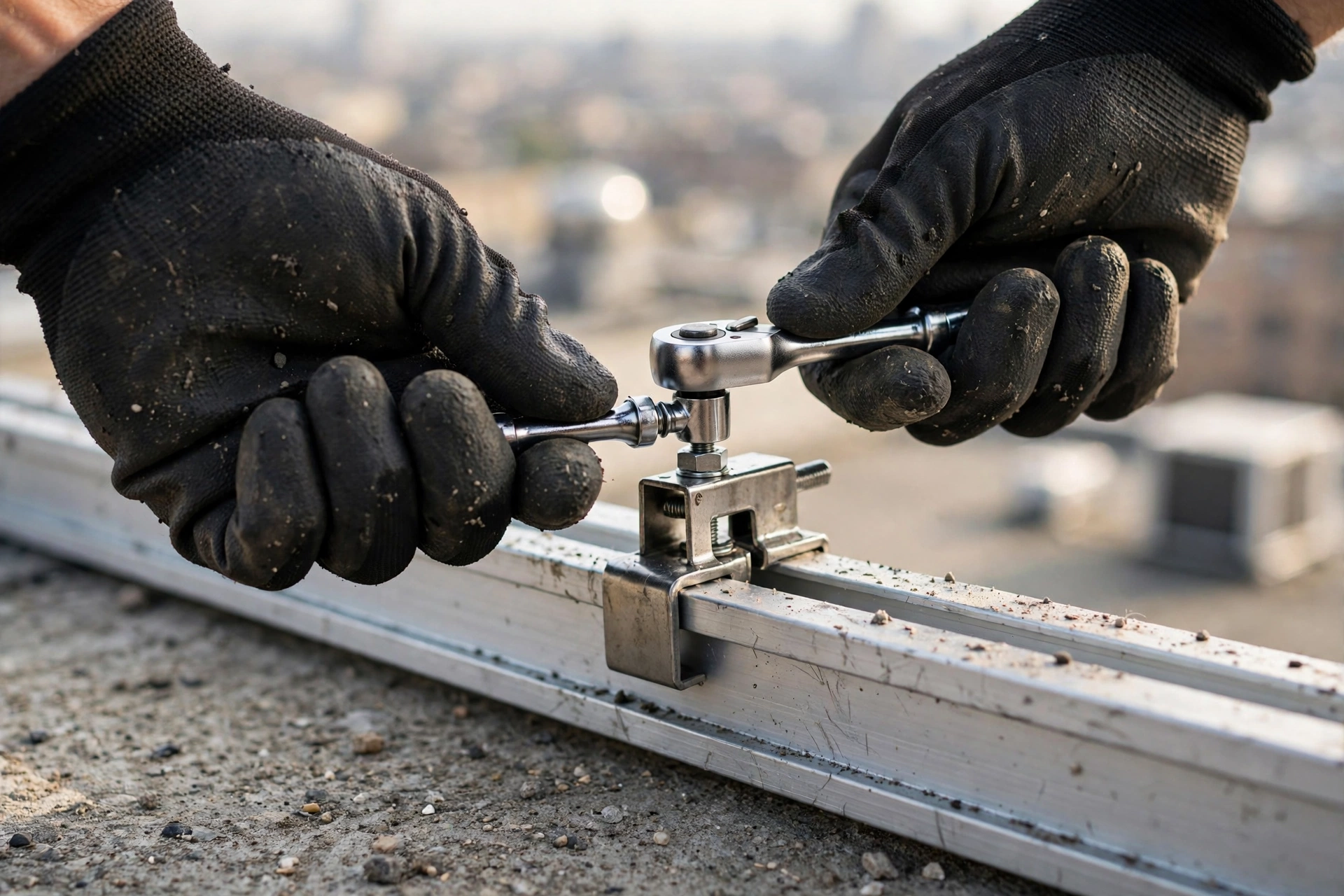
- Winter is installation season. Cooler weather means better panel efficiency during commissioning, installers have open schedules (unlike the March–June rush), and your system is running at full strength before next summer’s brutal bills.
- Under net billing, every unit you consume yourself saves you the full retail tariff — up to Rs 50 per unit with taxes. Cheap panels plus expensive grid electricity is the best combination solar buyers have ever had in Pakistan.
The one reason to wait: if you are building a new house and the roof is not ready, panels sitting in storage lose warranty time. Buy when the structure is ready.
For everyone else — roof ready, bills hurting — waiting for another Rs 2/W drop while risking a tax hike is poor arithmetic. On a 10-panel system, Rs 2/W saves you about Rs 11,700. An 18% GST would cost you roughly Rs 45,000 on the same system.
How to Avoid Getting Burned at These Prices
Low prices attract counterfeits. Protect yourself:
- Buy documented panels with verifiable serial numbers. Check the serial on the manufacturer’s website before paying the balance.
- Get the flash test report and warranty card in the manufacturer’s name, not the dealer’s.
- Do not pay 100% upfront. The standard practice is a token advance with the balance on delivery and verification.
- Match your inverter to your panels. A cheap panel paired with an oversized or undersized inverter wastes the savings. (We compared the two most popular hybrid options — Huawei vs Growatt — in detail recently.)
- Size the system for self-consumption. Under net billing, exported units earn roughly Rs 11 while imported units cost up to Rs 50. A system sized to your daytime load pays back years faster than an oversized one built for export. Our battery guide explains how storage fits into this math.
The Bottom Line
The solar panel price in Pakistan has never been lower: Rs 42–49 per watt for Tier-1 N-type bifacial, down from Rs 55–65 a year ago. Oversupply, withdrawn taxes, and fierce dealer competition created this window. It will not stay open forever — tax policy is the one thing that could slam it shut.
If your roof is ready and your WAPDA bill is painful, this is the market you have been waiting for.
Get a free site survey. Our engineers will assess your roof, your load, and your bill — and give you an exact system size and price, no guesswork. Call or WhatsApp +92 300 4768050.

Solar Panel Financing In Pakistan: 2026 Bank Guide
October 9, 2026 5:18 am[…] October 6, 2026 […]